Blog · Kitesurfing ·
Essential travel tips for kitesurfers
Kitesurfing combines the thrill of surfing with the power of the wind, and for many riders, exploring new destinations is part of the adventure. Travelling with kitesurf gear and finding the right spots can be a challenge, though. This guide gives you practical advice to plan your trip smoothly and make the most of every kite trip.
Choosing the right destination
Picking the right place is the first step to a successful kitesurf trip. Think about:
- Wind conditions: look for consistent wind between 12 and 25 knots. Check forecasts and historical data to find the best months.
- Type of water: flat-water lagoons, waves or open sea — each offers a different experience.
- Local rules: some spots have restricted zones or require permits. Find out before you go to avoid surprises.
- Access: how easy is it to get there — flights, local transport and places to stay?
- Community and facilities: popular kite destinations have schools, rental shops and repair services, which help if you forget something or need assistance.
Well-known kite destinations include Tarifa in Spain for strong winds and a lively culture, Cabarete in the Dominican Republic for warm water and waves, and Le Morne in Mauritius for stunning scenery and reliable trade winds.
Packing smart for kitesurf travel
Travelling with kitesurf equipment means packing carefully to protect your gear and follow airline rules:
- Use a dedicated kite bag: a padded bag designed for kitesurf gear protects your kite, board and accessories.
- Take your gear apart: deflate the kites, remove the fins from your board and pack bars and lines separately to avoid damage.
- Check airline policies: some airlines charge extra for oversized bags or have special rules for sports equipment — book your flights accordingly.
- Keep essentials in your carry-on: harness, wetsuit and small tools, in case your luggage gets lost.
- Bring a repair kit: spare lines, bladder patches and a multi-tool for quick fixes on the spot.
Local weather and safety
Understanding the local weather is crucial for safe kite travel. Wind can change quickly, and conditions differ from place to place.
- Check the wind every day: use apps like Windy or local weather stations to follow wind speed and direction.
- Know the tides: some spots become dangerous or inaccessible at high or low tide.
- Wear the right gear: water temperature varies a lot — bring a wetsuit, rash guard or drysuit to suit the climate.
- Respect safety zones: keep clear of swimmers, boats and restricted areas, and follow local guidelines and warning flags.
- Kite with a buddy: especially at an unfamiliar spot, having someone nearby makes you safer.
Travel logistics
Good planning reduces stress and gives you more time on the water:
- Stay near the beach: being close to the launch spot saves time and lets you kite more often.
- Arrange local transport: at some destinations you need a scooter, bike or car to reach the spots.
- Plan gear storage: for a longer stay, find a place with safe storage for your equipment.
- Get travel insurance: look for a policy that covers sports equipment and water sports.
- Be ready for emergencies: know where the nearest medical facilities are and keep emergency numbers at hand.
Kitesurfing in Cyprus: practical notes
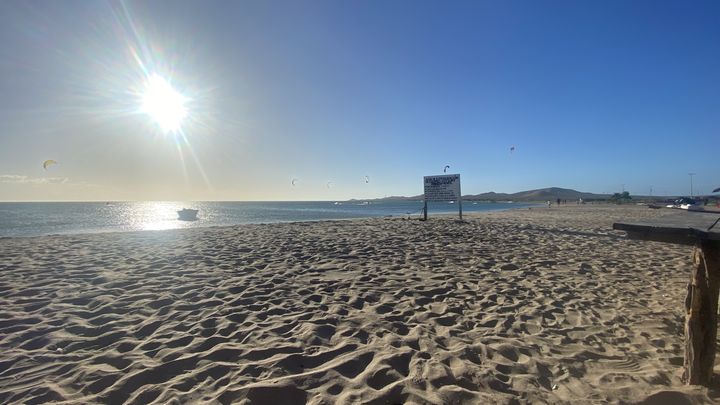
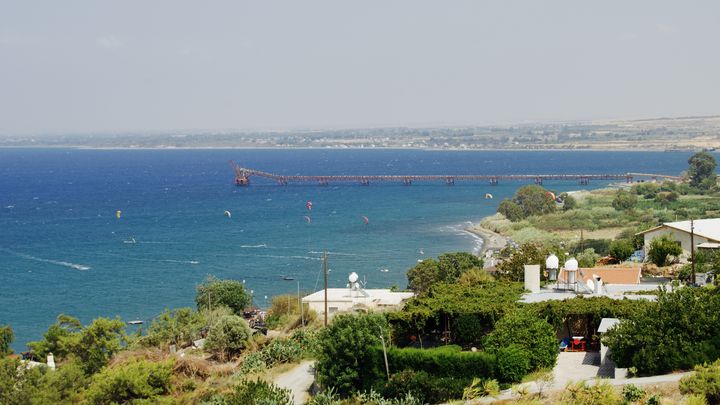
If Cyprus is on your list: Heaven Surf House is in Yedidalga, on the west coast of Morphou Bay in North Cyprus — 48 km from Nicosia, 75 km from Ercan airport and 105 km from Larnaca airport. The main kite season runs from April to October.
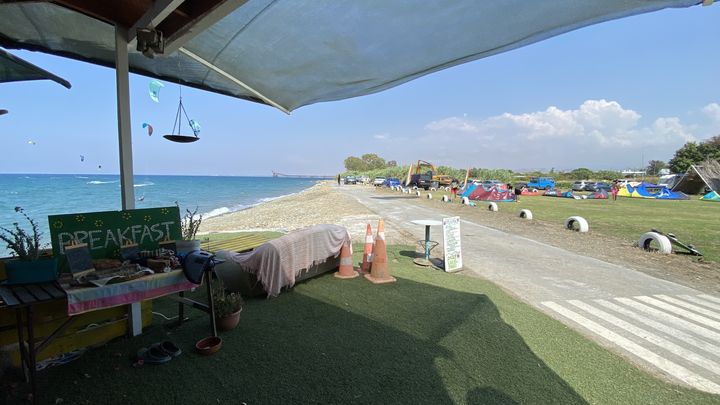
At the spot there is a launching and landing area and a place to wash your equipment. You can rent equipment and get kite repairs on site — handy if something breaks during the trip — and stay at the camping — in a tent or your own camper — or in one of our caravans, a few steps from the water.
Connecting with the kitesurf community
Joining the local kite community makes the trip richer:
- Visit kite schools: even experienced riders get local insights there, and sometimes better rental gear.
- Go to events and competitions: a great way to meet other kitesurfers and hear about new spots.
- Use online forums and apps: platforms like Kiteforum or local Facebook groups share conditions and meet-ups.
- Respect the local culture: be respectful with locals and follow environmental guidelines to protect the spots you love.
Sustainable kitesurf travel
Protecting the environment keeps kite trips enjoyable for the travellers who come after us:
- Don’t disturb wildlife: keep your distance from nesting birds and marine life.
- Choose eco-friendly gear: kites and boards made with sustainable materials, when possible.
- Take your rubbish with you: carry out all waste and avoid single-use plastic.
- Support local businesses: eat at local restaurants and buy from local shops.
- Ride responsibly: avoid damaging coral reefs and fragile shorelines.
Final thoughts on kite travel
Kite travel has become hugely popular with adventurers and travellers alike. It combines kitesurfing with travel, so you explore beautiful places while riding the power of the wind. Here is what makes it so special.
The thrill of adventure
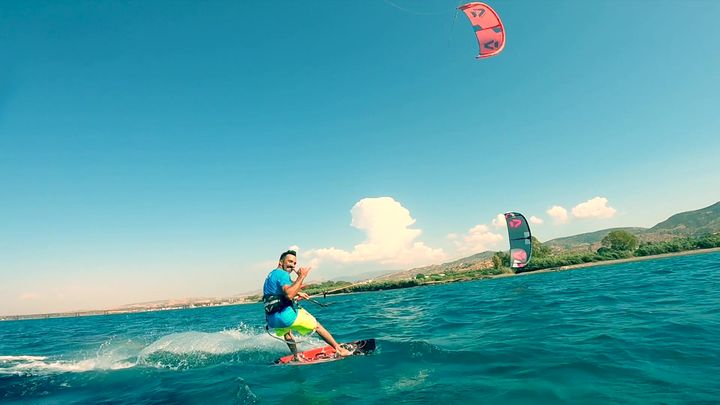
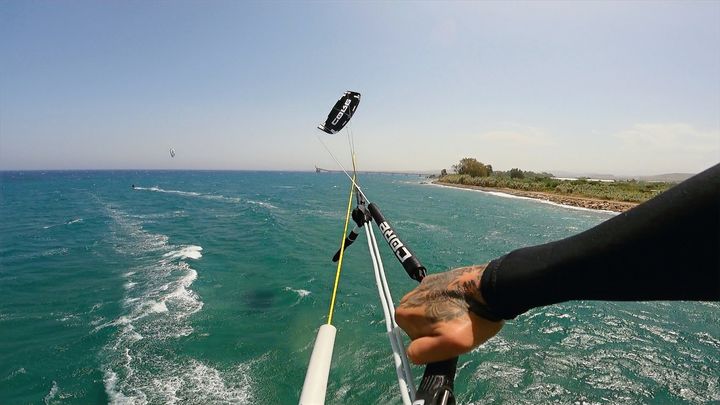
The feeling of gliding across the water, pulled by the wind and the kite, gives an adrenaline rush that is hard to find anywhere else. Add the backdrop of seas, lakes and rivers, and every trip becomes unforgettable — whether you are a seasoned rider or a beginner mastering new skills in new places.
Connection with nature
Kite travel brings you close to nature. The rhythm of the waves, the sound of the wind and the colours of the sky and water deepen your appreciation of the natural world. Many spots are chosen not only for their wind but also for their scenery, often in beautiful, remote places.
Community and culture
Kite spots attract like-minded people who share a love of adventure and the outdoors. You exchange tips, make friends for life and get to know local traditions and ways of living — which makes the journey more meaningful.
Safety and preparation
As exciting as it is, safety comes first. Learn about the spots you plan to visit: the best time of year, the local wind patterns, the rules and any permits or equipment you need. Good training and practice prepare you for whatever happens on the water.
The future of kite travel
New kite designs and better safety gear keep improving the experience, and more and more kite communities focus on sustainability to protect the places they love — so that future generations can enjoy the same rides.
In short, kite travel is where adventure, nature, community and personal growth meet. Embrace the wind, the waves and the world around you: it is not just a sport, but a lifestyle full of exploration and unforgettable memories.