Blog · Kitesurfing ·
Kitesurfing season in Cyprus, month by month: wind, water and camping at Yedidalga
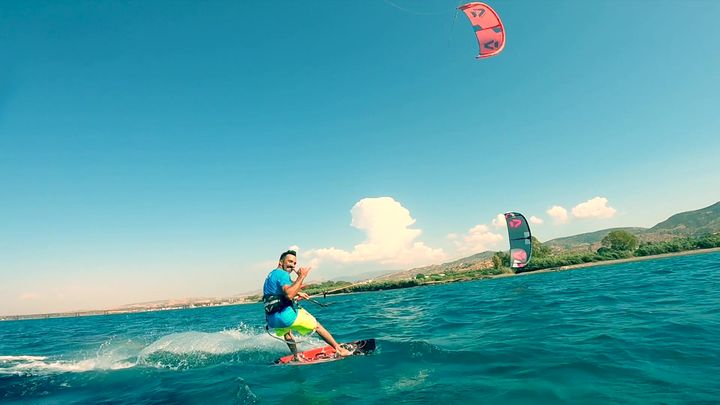
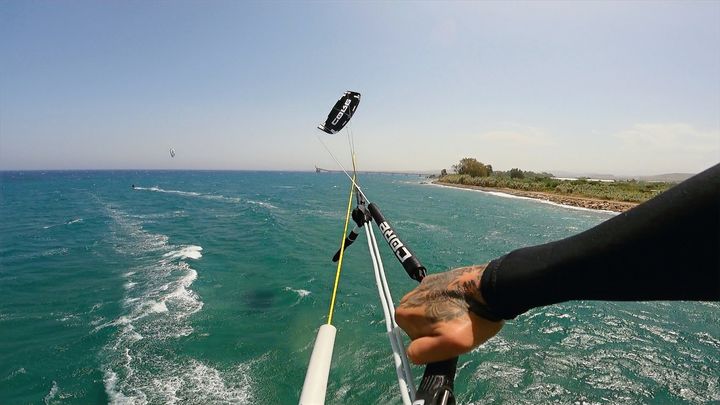
The best time to kitesurf in Cyprus is from April to October, when a thermal wind blows on most days. At our spot in Yedidalga, on Morphou Bay in North Cyprus, it is steady and side-onshore, around 20 knots in the season. July to September bring the warmest water, when a lycra is often enough. Spring and autumn need a wetsuit, but the heat is gentler. In winter you can still kite on some days, but the wind is less regular.
Below you find what to expect in every month: the wind, the air and sea temperatures, which wetsuit to bring and what camping feels like. The temperatures are long-term averages for our part of the island, rounded — every year is a little different. For the conditions today, check our live wind station in Yedidalga.
How the wind works in Cyprus
Our season wind is a thermal wind, also called a sea breeze. In the morning the sun heats the land much faster than the sea. The warm air above the land rises, and cooler air from the sea flows in to take its place — that flow is the wind you kite with. It builds during the day and fades after sunset, when the land cools down again.
The bigger the difference between a warm land and a cooler sea, the better the thermal works. That is why the season runs from spring to autumn. At Yedidalga the thermal and the venturi effect come together: the wind speeds up where the land squeezes it, and that makes our spot the windiest on the west coast of Morphou Bay.
In winter the thermal is weak. The wind then comes with weather systems passing over the eastern Mediterranean. It can be strong and gusty for a day or two, and then calm for days. If you want to understand gusts, wind direction and kite size better, read mastering wind dynamics.
Spring: March, April and May
March
Still early: the thermal season has not really started, and the wind depends on the weather systems. Days reach about 18 °C, nights about 8 °C, and the sea is at its coolest, about 16–17 °C. Bring a 4/3 full wetsuit. The island is green and full of wildflowers.
April
The main kite season begins. As the land warms up, the thermal starts to work. Days reach about 22 °C, nights about 12 °C, and the sea is about 18 °C — a 4/3 or a warm 3/2 full suit is right. A good month to learn: mild, quiet and fresh. At the camping the nights are cool, so pack a warm sleeping bag.
May
Warm days around 26 °C, nights about 16 °C and a sea around 20 °C. A 3/2 full suit keeps you comfortable on longer sessions. For many people this is one of the nicest months for a kite and camping trip: summer is coming, but the heat is still soft.
Summer: June, July and August
June
The days get hot, about 30 °C, with nights around 19 °C. The sea warms up to about 24 °C: a shorty or a thin neoprene top is enough, and on warm afternoons a lycra.
July and August
The hottest months: about 33–35 °C during the day and around 22 °C at night. It hardly ever rains. The sea reaches its warmest, about 27–28 °C, so you kite in a lycra or boardshorts. The sun is very strong — wear a long-sleeved lycra, a cap and water-resistant sunscreen, and drink plenty of water.
These are the main holiday months, so the beaches of Cyprus are at their busiest. Book your lessons, gear and stay early. At the camping the tents stand in the shade of the trees, and the nights are cooler than you might expect — even in the hottest season.
Autumn: September, October and November
September
For many riders one of the best months of the year: the sea is still about 27 °C, the days are around 30 °C, and the strongest summer heat is over. Lycra or shorty. A great month for a longer kite holiday.
October
The last month of the main season. Days of about 26 °C, nights about 16 °C, and the sea still around 24–25 °C. A shorty, or a thin full suit for late sessions. The first rain of the autumn usually returns in October or November.
November
The main season is over, but November can still give good kite days when a weather system brings wind. Days reach about 21 °C, nights about 11 °C, and the sea is about 21–22 °C — bring a 3/2 or 4/3 full suit. Watch the forecast and be flexible.
Winter: December, January and February
Winter in Cyprus is mild: about 15–17 °C during the day and 7–8 °C at night. These are the wettest months, with December usually the wettest, and the sea cools to about 17–19 °C. A 4/3 full suit is a good choice on the water; some riders add boots or a hood on cold, windy days.
Kitesurfing in Cyprus is possible all year round, but the winter wind comes with fronts and storms, often gusty. This is a time for experienced riders who follow the forecast closely — and not the best time for your first lessons. In the south, some spots such as Ladies Mile in Limassol work best with the east winds that are common in the winter months.
The camping stays open all year. After the rains the island turns green, and the camp is calm and quiet. If you don’t want to sleep in a tent in winter, ask about our caravans.
Wetsuit guide for Cyprus, month by month
A simple rule for the water temperatures above:
- December to March (sea about 16–19 °C): 4/3 full suit, boots if you get cold feet.
- April and November (about 18–22 °C): 4/3 or 3/2 full suit.
- May (about 20 °C): 3/2 full suit.
- June and October (about 24–25 °C): shorty or a thin neoprene top.
- July to September (about 27–28 °C): lycra or boardshorts — a long-sleeved lycra protects you from the sun.
As a kitesurfer you spend most of your time above the water, in the wind, so you can feel colder than a swimmer. If you get cold easily, choose one step warmer. No wetsuit? In our lessons the wetsuit is included, and we rent full wetsuits for all seasons, together with kites, boards and harnesses — see our kite rentals.
Which month should you choose?
- To learn kitesurfing: April to June or September to October — the season wind, mild temperatures and fewer people than in high summer. See our kitesurfing lessons.
- For warm water and lycra sessions: July to September.
- For a kite and camping trip: May, June and September are the most comfortable for sleeping in a tent. Read our camping guide for North Cyprus.
- For experienced riders who are flexible: the winter months, with a close eye on the forecast.
For a general look at the climate of the island — rain, sunshine and travel tips for every season — read our Cyprus weather guide. And when you have your dates, send us a request — we help you plan your kite trip.